Many of these procedures are covered by insurance, especially when deemed medically necessary. Our team will work with you to determine coverage and navigate any insurance requirements.
Regain Function, Relieve Pain, Reclaim Your Life
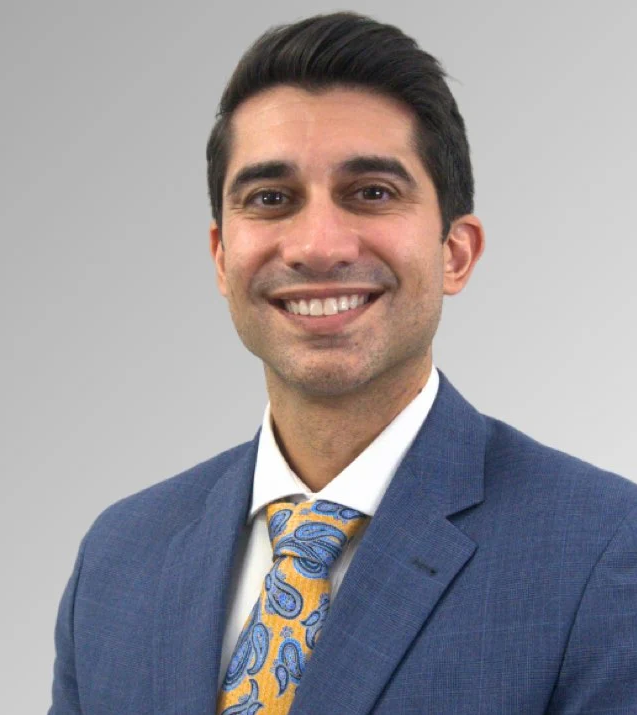
Chris Lakhiani, MD, FACS is a board-certified plastic and reconstructive surgeon specializing in advanced nerve surgery and functional restoration for patients living with pain, weakness, and paralysis.
Schedule a Consultation with Dr. Lakhiani
Meet Dr. Chris Lakhiani, FACS
Dr. Lakhiani’s practice is dedicated to patients with neuropathic pain, paralysis, and functional loss after injury, surgery, or cancer treatment. He regularly presents his work at national and international conferences and is recognized for innovative approaches to facial paralysis, extremity reconstruction, and treatment of neuromas and phantom limb pain.
- Board‑certified plastic and reconstructive surgeon with advanced training in peripheral nerve surgery.
- Specialized focus on chronic nerve pain, paralysis, and functional restoration.
- Experience with patients who have seen multiple specialists without answers.
- Committed to clear communication, realistic expectations, and long‑term follow‑up.
Conditions Dr. Lakhiani Treats
Explore some of the most complex nerve and reconstructive problems Dr. Lakhiani treats, from chronic pelvic and limb pain to paralysis and synkinesis. Each condition below explains what’s happening, who may be a candidate, and how advanced nerve surgery or reconstruction may help restore function and relieve pain. If you see your symptoms—or something that sounds similar—click to learn more or request a consultation so our team can review your specific situation.
Some patients continue to have severe leg pain, numbness, or weakness even after technically “successful” spine surgery. This is sometimes called failed back surgery syndrome and may be due to scar tissue, ongoing nerve compression, or damage to the peripheral nerves themselves. When pain and dysfunction persist despite spine care, a peripheral nerve surgeon can evaluate whether nerves outside the spine are trapped, scarred, or injured. Dr. Lakhiani focuses on identifying treatable nerve problems in the pelvis and legs and may offer nerve decompression, neuroma surgery, or other procedures aimed at improving pain and function when standard spine treatments have not provided relief.
Facial paralysis can develop after Bell’s palsy, tumors, trauma, or surgery and may affect your ability to smile, close your eye, speak clearly, or show emotion. Beyond the physical challenges, patients often describe feeling socially isolated or “unrecognizable” in photos. Dr. Lakhiani offers a range of reconstructive options—from nerve transfers and muscle transfers to procedures that improve eye closure and smile symmetry—to restore movement, protect the eye, and create more natural expressions so you can feel more confident in daily interactions.
Foot drop occurs when you cannot lift the front of your foot properly, causing you to trip, drag your toes, or change the way you walk to avoid falling. It often results from injury or compression of the peroneal nerve near the knee, spinal problems, or other neurologic conditions. When bracing and therapy are not enough, nerve decompression or nerve transfer surgery may help restore active foot lifting in selected patients. Dr. Lakhiani evaluates the health of your nerves and muscles and, when appropriate, offers advanced reconstructive procedures to improve walking stability and reduce dependence on braces.
Limb paralysis refers to loss of movement and sometimes sensation in the arm or leg after trauma, surgery, stroke, or nerve injury. This may involve major nerve networks such as the brachial plexus in the shoulder or key nerves in the arm or leg. When paralysis persists and nerves have a chance to recover, specialized nerve surgery can sometimes “borrow” healthy nerves or muscles and reroute them to restore critical functions, like bending the elbow, lifting the wrist, or opening the hand. Dr. Lakhiani performs complex nerve transfers, grafts, and reconstructive procedures tailored to each patient’s goals, such as being able to feed themselves, walk more safely, or return to work or hobbies.
After surgery, trauma, or amputation, a cut nerve can form a neuroma—a sensitive bundle of nerve fibers that can cause sharp, electric, or burning pain with touch or movement. Many amputees also experience phantom limb pain, feeling pain or uncomfortable sensations in the part of the limb that is no longer there. When medication, injections, and other conservative treatments do not provide relief, advanced nerve procedures like targeted muscle reinnervation (TMR) and regenerative peripheral nerve interfaces (RPNI) can help calm these painful nerves and reduce phantom limb pain. Dr. Lakhiani specializes in these techniques and works closely with pain management and rehabilitation teams to create a comprehensive plan to improve comfort, mobility, and prosthetic use.
Peripheral nerve sheath tumors are growths that arise from the cells surrounding a nerve. They may be benign (non‑cancerous), like schwannomas, or more aggressive, and can cause pain, numbness, tingling, or weakness in the affected area. Because these tumors grow on or around the nerve, removing them safely requires careful microsurgical technique to protect nerve function. Dr. Lakhiani uses advanced imaging, nerve monitoring, and reconstructive strategies to remove or debulk nerve sheath tumors while preserving as much strength and sensation as possible, and he works closely with oncology and neurology teams when cancer is a concern.
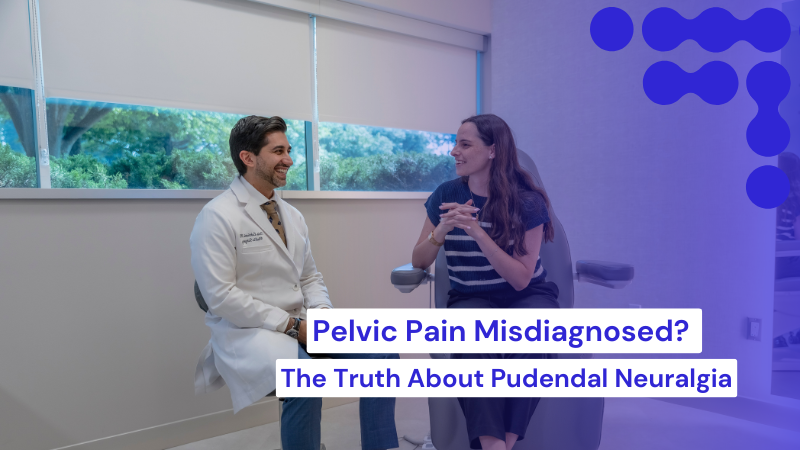
Pudendal neuralgia is a painful condition involving the pudendal nerve, which supplies sensation to the pelvis, perineum, and genital region. Patients often describe burning, stabbing, or electric pain when sitting, using the restroom, or during intimacy, and many have seen multiple specialists before getting a clear diagnosis. Dr. Lakhiani works with pelvic pain experts to confirm whether the pudendal nerve is compressed or injured and may offer surgical decompression or nerve reconstruction when conservative measures have failed, with the goal of reducing pain and helping patients return to normal daily activities and relationships.
After a stroke, some patients are left with stiffness, abnormal limb positions, or difficulty opening the hand or straightening the elbow, even after extensive therapy. This can interfere with dressing, hygiene, balance, and the ability to use assistive devices. In carefully selected patients, nerve and tendon procedures can rebalance muscle forces, reduce painful postures, and improve the ability to position the arm or leg for daily activities. Dr. Lakhiani collaborates with neurologists and rehabilitation specialists to identify patients who may benefit from peripheral nerve and reconstructive surgery as part of a broader stroke recovery plan.
Practice Locations
Why Patients Choose Dr. Lakhiani
Specialized focus on nerve problems: Rather than treating all plastic surgery conditions, Dr. Lakhiani concentrates on nerve reconstruction, chronic pain, and functional restoration.
Advanced microsurgical training: His fellowship training and ongoing research keep him at the forefront of complex nerve and reconstructive techniques.
Hope after “no more options”: Many patients find him after seeing multiple specialists and being told to “live with it.” He is comfortable evaluating difficult, long‑standing problems and giving honest, realistic guidance.
Whole‑patient approach: Pain, weakness, and paralysis affect your work, family, and emotional health. Treatment plans are designed to support your life, not just your imaging results.
Ready to Explore Your Options?
If you are living with ongoing nerve pain, weakness, or paralysis, you do not have to keep searching alone. A consultation with Dr. Lakhiani is the first step in understanding whether advanced nerve surgery or reconstruction could help.
-
In‑person and virtual consultations may be available depending on your location.
-
Our team can help you gather records, imaging, and prior operative reports.
-
We will review next steps, timing, and what to expect if surgery is recommended.